Advertisement
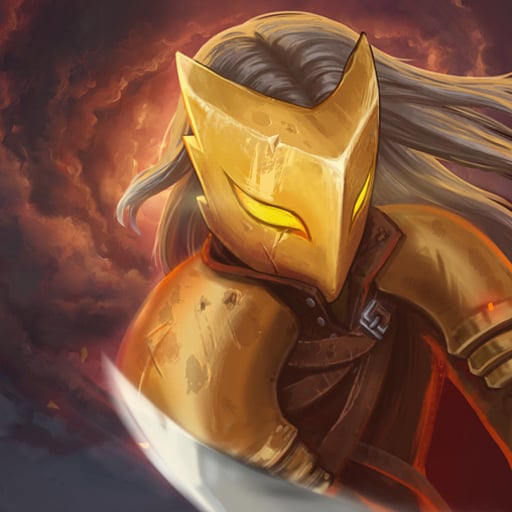
Slay the Spire is a card Roguelike game produced and published by Mega Crit Games. Since the beta version was launched in November 2017, it has attracted a large number of players with its unique gameplay. On January 23, 2019, the official version of the game was launched on the PC platform, and then on platforms such as PS4, Switch and IOS, bringing a wonderful card adventure experience to more players.
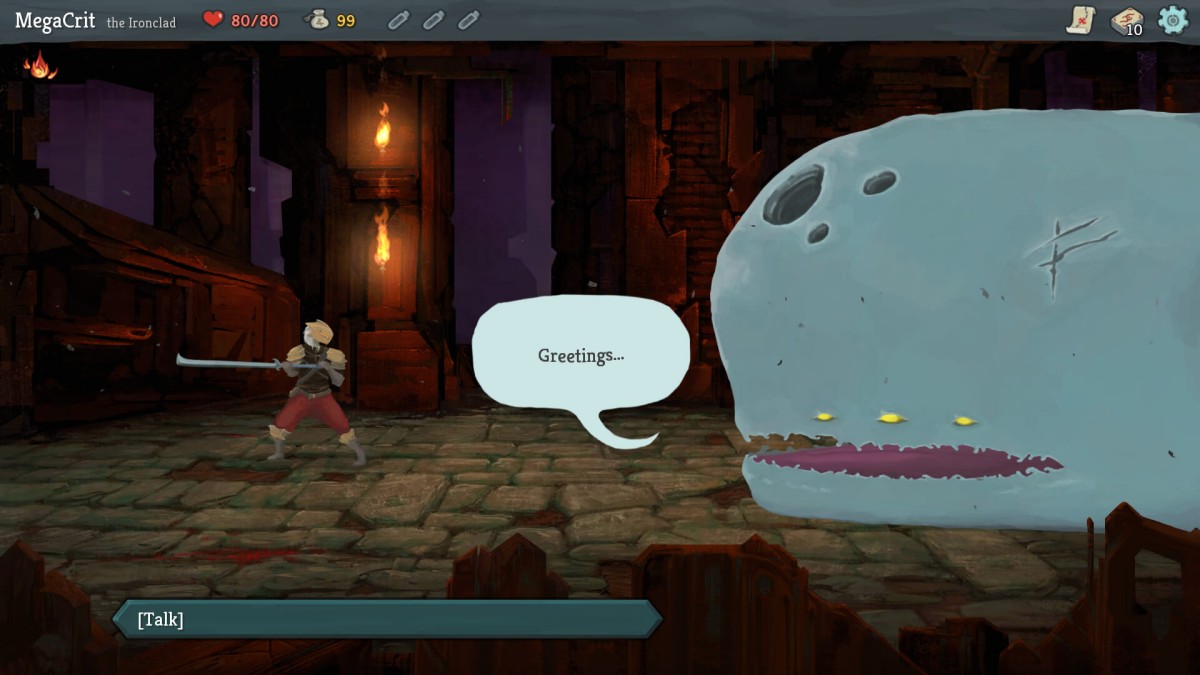
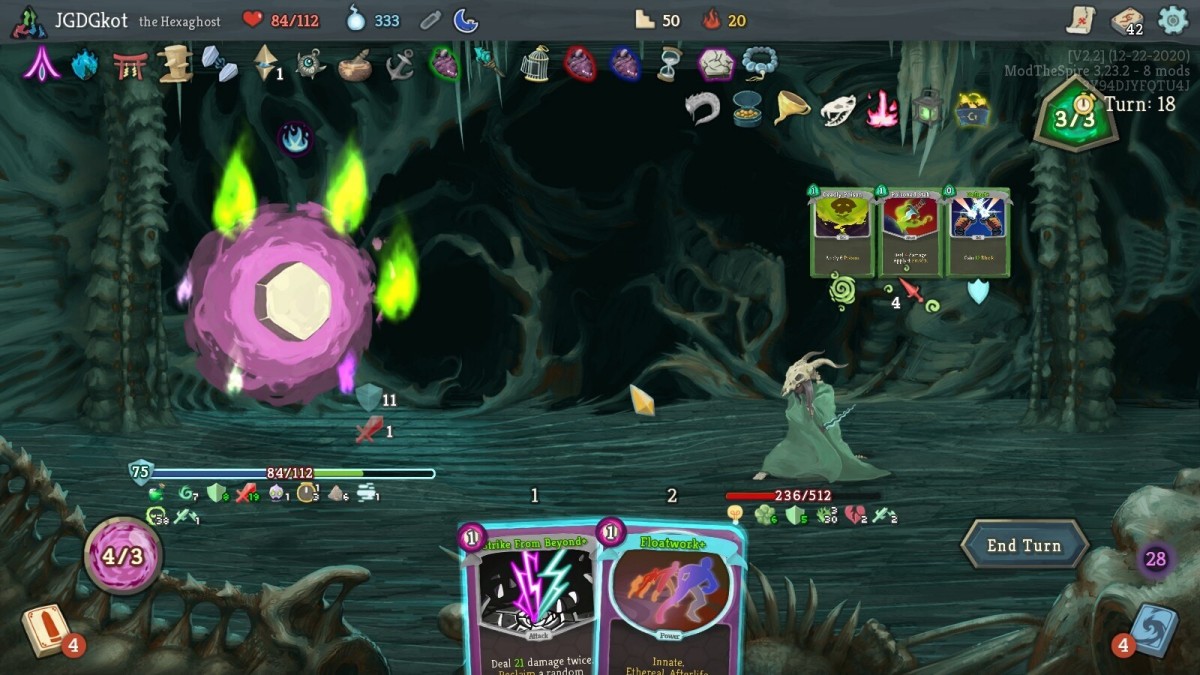
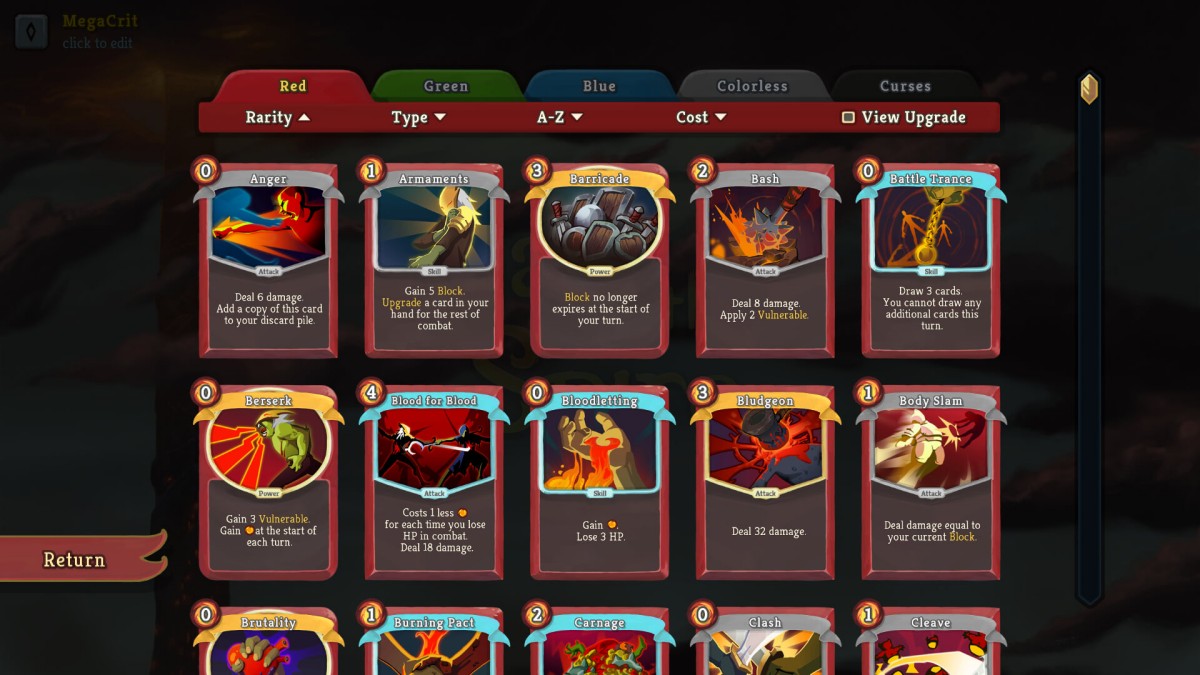
In the game, players need to play different roles, such as Predator, Silent Hunter, Faulty Robot and Observer. Each character has unique cards and initial relics, as well as different health points and coins, which preliminarily determine the player's combat style. The core of the game lies in card construction. Players need to collect cards through battles, store purchases, treasure chests and random events, and combine powerful decks according to their own strategies to deal with ever-changing enemies.
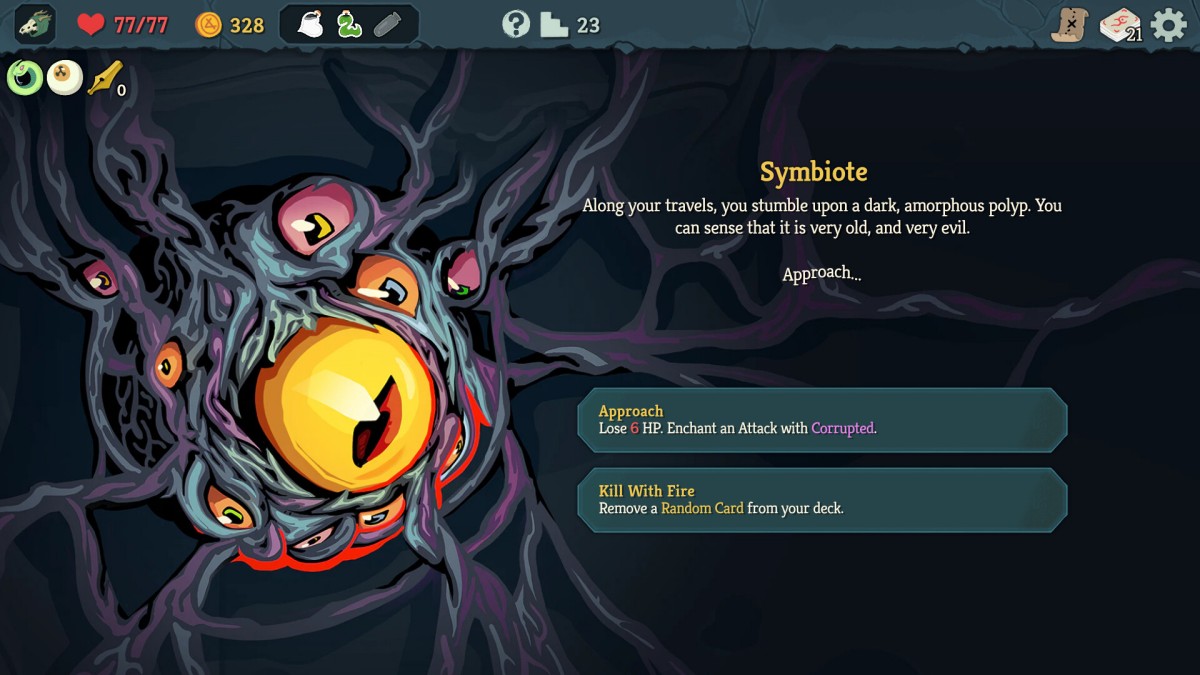
Slay the Spire adopts the random generation mechanism of Roguelike to ensure that every game experience is full of novelty. Monsters, treasures, and events in the game are randomly generated under certain distribution rules, and the choice of branch routes and starting points tests the player's strategic ability. In addition, the game also provides a rich relic and potion system to add more variables and strategic depth to the player's battle.
The game is widely praised for its unique card construction, Roguelike randomness, and rich strategic choices. Although the game may have problems with fixed gameplay routines in the later stages, it is still a card adventure masterpiece worth trying overall. Whether it is for players who like card games or for players who like Roguelike random challenges, Slay the Spire will be a good choice.
Advertisement
Role selection and understanding:
Iron Warrior: It is easy to get started in the early stage, with strong damage ability and defense. The core lies in the rational use of various attack and defense cards, stacking health and attack power. For example, defense cards such as "Barrier" can effectively resist enemy attacks, while attack cards such as "Heavy Blade" can cause high damage. In battle, pay attention to choosing the time to play cards according to the enemy's attack rhythm to ensure your own survival while maximizing output.
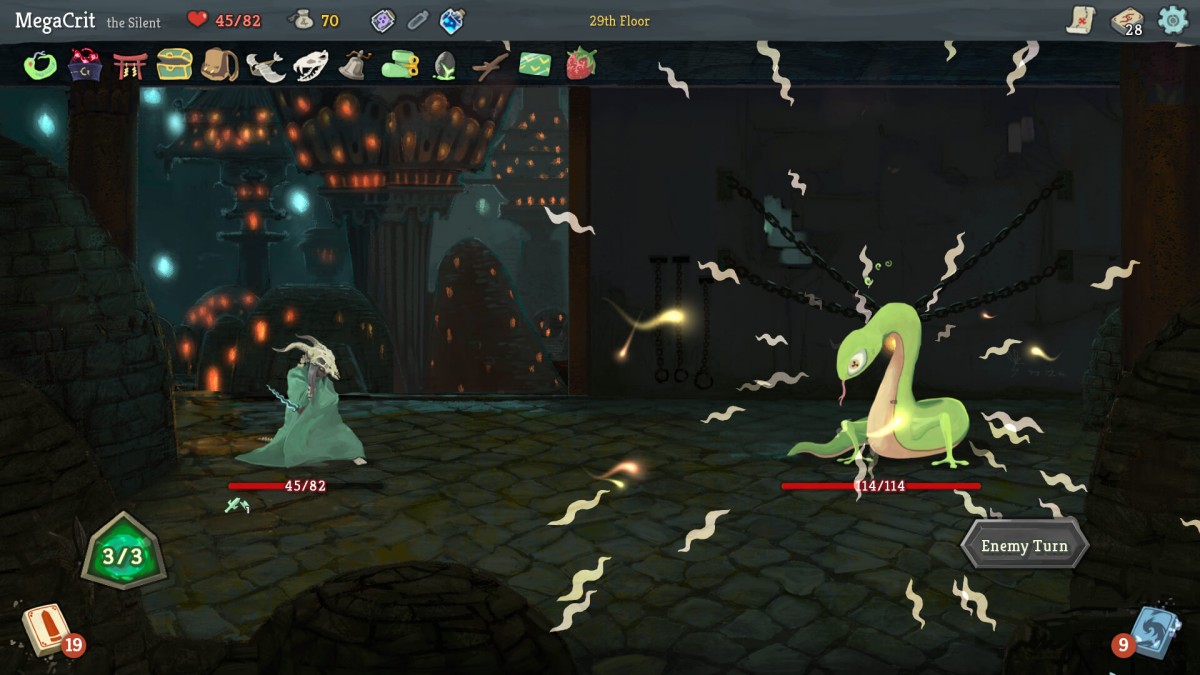
Silent Hunter: High burst damage, but low upper limit of health, high survival pressure. The key to her gameplay is to make good use of the combination of poisoning and dagger attacks. Cards such as "Poison Blade" can inflict poisoning effects on the enemy, and then other attack cards can be used to deal higher damage when the enemy is poisoned. At the same time, pay attention to controlling the use of energy to avoid insufficient energy and being unable to play cards.
Faulty Robot: Both continuous damage and burst damage are good, and it can also restore energy, but the operation is somewhat difficult. Be familiar with the effects and usage of various charging balls, such as using lightning charging balls to trigger the special effects of related cards. When building a deck, pay attention to the linkage between cards so that you can quickly accumulate energy and play high output in battle.
Observer: The operation is difficult, and you need to have a certain understanding of the game before trying it. Her uniqueness lies in the ability to switch different postures to fight. You must flexibly choose postures according to the battle situation, and reasonably use special cards such as "Miracle" to deal with various situations.
Card construction strategy:
Focus on deck simplification: The bigger the deck, the better. Too many cards will reduce the probability of drawing key cards. Generally speaking, it is more appropriate to keep the deck around 20-30 cards, and try to eliminate some cards that are not effective or irrelevant to the core idea of the deck.
Create core routines: Each character has a core card combination that suits him, such as the "power flow" of the armored warrior (increasing the power attribute through various cards, and then using high-power attack cards to output), the "poison flow" of the silent hunter, and the "charge ball flow" of the faulty robot. In the game process, choose and upgrade cards around the core routine.
Balance attack and defense: Don't just focus on attack and ignore defense, otherwise you will be easily defeated when facing a powerful enemy. Reasonably match defensive cards, such as the "block" card of the armored warrior and the "dodge" card of the silent hunter, to ensure that you can survive the enemy's attack.
Combat skills:
Understand the enemy's action mode: Different enemies have different attack methods and action modes. Before the battle, you can observe the enemy's action rules and then formulate corresponding strategies. For example, some enemies will use powerful attacks in a specific round, so you should try to prepare for defense before that; some enemies will have weak attributes, and using corresponding cards for their weaknesses can cause higher damage.
Reasonable use of energy: The energy per round is limited, and the energy should be reasonably allocated according to the energy consumption and effect of the card. Give priority to using cards with low energy consumption but good effects, and avoid using all the energy on a high energy consumption card in one round, unless this card can immediately turn the tide of the battle.
Pay attention to the linkage and coordination of cards: Some cards have linkage effects, such as some cards can trigger the additional effects of other cards or enhance their power. When playing cards, pay attention to these linkage relationships in order to maximize the value of the cards.
Relic selection and utilization:
Select relics according to the role and deck: Different relics have different bonus effects on different roles and decks. For example, "Magic Flower" can increase the energy limit, which is very useful for decks with high energy consumption; "Snake Ring" allows the Silent Hunter to draw extra cards at the beginning of each battle, which helps her build a deck quickly.
Pay attention to the negative effects of relics: Although some relics have strong positive effects, they also bring some negative effects. When choosing relics, weigh their pros and cons. If the negative effects are too serious, it may affect the progress of the game.
Reasonably upgrade relics: During the game, some relics can be upgraded through specific events or consumption of resources, and the upgraded relics will be more powerful. Decide whether to upgrade the relics based on the progress of the game and your own needs.
From Google Play($9.99)
Link Provided by Google PlayApp Store($9.99)
Link Provided by App StoreFrom Other Official Platforms($24.99)
Link Provided by Other Oficial PlatformsVerified antivirus
All download links on this website jump to official platforms such as App Store and Google Play. No viruses. No malware.Advertisement
Advertisement